

December 5, 2023 · 10 min read
Mount Everest – The Ultimate Adult Playground

Taking on the Ceiling of the World
Everest, majestic in its grandeur, has been the scene of adventures and challenges throughout history. This colossal mountain attracts fearless climbers looking to overcome and conquer. In this article, we will explore the exciting adventures on Everest, from its rich history to the challenges faced by modern adventurers, highlighting the duality between the most and least interesting parts of this unique adventure.
At first glance, the relevance of Everest in Western civilization dates to the 19th century, when British surveying officer Sir George Everest identified the mountain as the tallest in the world. However, the absolute outrage came in 1953 when Sir Edmund Hillary and Tenzing Norgay reached the summit for the first time. This historic milestone ushered in an era of exploration and challenge that continues to attract the bravest. We take a look at one of the most extreme challenges on Planet Earth and what it means to be on top of the world.
A Background on the Tall Ground
Everest’s popularity soared in the late 20th and early 21st centuries, leading to concerns about overcrowding, environmental impact, and safety. The infamous 1996 Everest disaster , documented in Jon Krakauer’s book “Into Thin Air,” highlighted the risks and challenges associated with climbing the mountain. Technological advancements, including improved gear and weather forecasting, have increased the safety of Everest expeditions, but the mountain remains a formidable challenge. Climbers face altitude sickness, avalanches, crevasses, and the notorious “death zone” above 26,247 feet (8,000 meters), where oxygen levels are critically low.
Mount Everest holds cultural significance for the Sherpa people , who have a deep connection with the mountain and its surrounding region. The Sherpas play a crucial role in supporting climbing expeditions, serving as guides, porters, and essential members of the climbing teams. In recent years, concerns about the environmental impact of climbing Everest have grown, with issues such as litter and human waste becoming significant challenges with no simple solution in sight. Efforts are being made to address these concerns and promote sustainable climbing practices.
Despite the risks and controversies , the passion and mysticism surrounding Mount Everest persists, drawing adventurers, mountaineers, and thrill-seekers from around the world. Its history is a testament to the indomitable human spirit and the pursuit of insurmountable challenges. Some of which are paid with human lives, a point that we’ll dig into deeper in the following lines.
The Climbers’ Challenges and Rewards
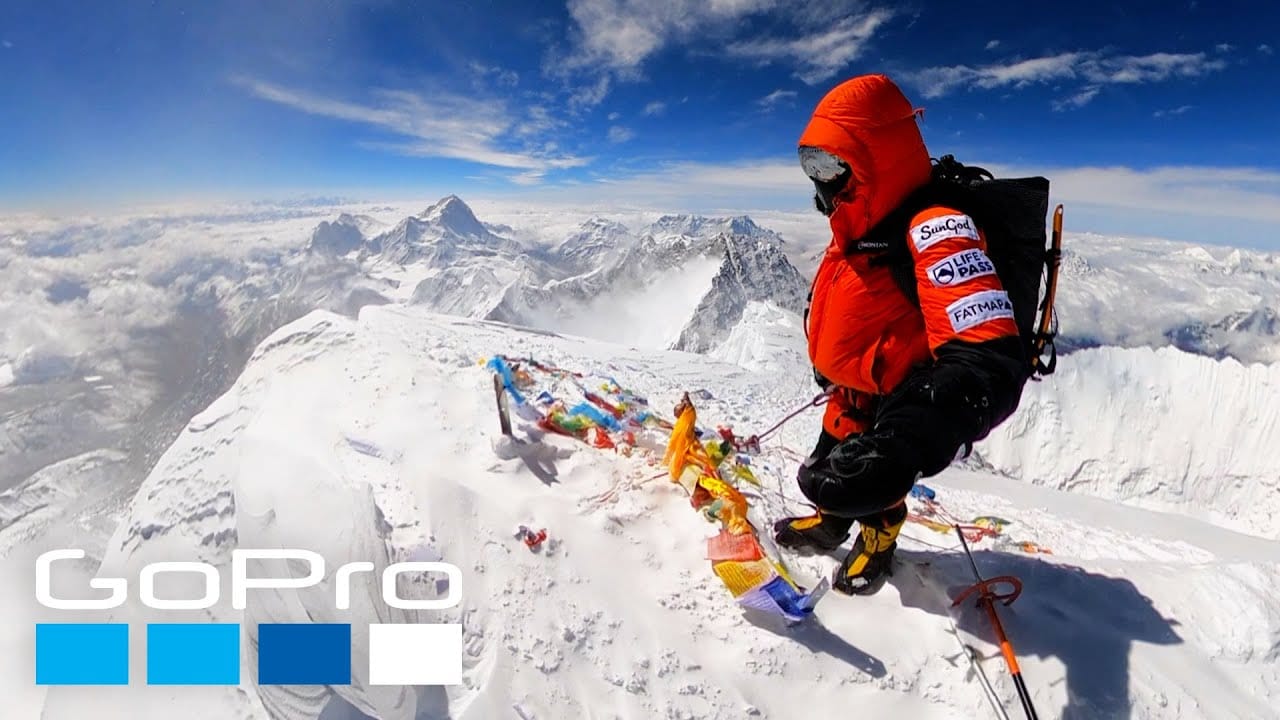
Climbing Everest tests human limits on various levels. The challenges begin with physical and mental preparation, as climbers face extreme altitudes and temperatures, unpredictable weather conditions and a lack of oxygen at peak times. The “Death Zone”, located above 8,000 meters , is a particularly challenging region, where the lack of oxygen makes the stay dangerous and strenuous.
The reward for overcoming these several complex challenges is unparalleled. The most exciting part of the Everest adventure is the feeling of reaching the top of the world . The summit offers a stunning, spectacular view, creating a breathtaking panorama that rewards every arduous step and every challenge faced throughout it all. Most importantly, it’s the ultimate declaration of strength of the body and mind, in an experience that very few set out to take, and even fewer return to tell.
And while several climbers have taken on the gigantic task of climbing the Everest more than once, others have lost limbs, team members, and risked their own lives in pursuit of the adrenaline. Those who return feel a step above mankind, having conquered one of the most inhospitable territories of the Planet. Indeed, it is not an adventure for the faint of heart.
The Dark Side of the Everest
Unfortunately, the beauty of climbing Everest is marred by the shadow of lives lost. As mentioned, the region above 8,000 meters is unforgiving, and the extreme conditions can result in fatal accidents. The loss of human life, although a sad reality, is an inevitable part of the Everest story, highlighting the risks inherent in this quest for greatness. News that dead bodies litter Mount Everest is nowhere near sensationalist, but instead, a crude reality.
It’s estimated that more than 300 people died attempting a climb, with an average of 6 fatalities a year. It’s only been over a century since these adventures started, and retrieving bodies from such an extreme location is borderline impossible. It is not uncommon for snow to move and send bodies sliding down the mountain. Gruesome indeed, but one consideration any adventurer must take in this life-or-death enterprise.
Another less exciting aspect is the growing overcrowding on the mountain. The increase in the number of climbers, many of whom are inexperienced, contributes to additional risks, and overall littering is slowly ruining the landscape. This is in many ways a no man’s land , and attempting to carry out the most mundane tasks can cost someone’s life.
Everest - The Arrival
Arriving at Mount Everest is a sensory immersion into a realm where the air is crisp with the exhilarating scent of high-altitude wilderness. As one approaches the Everest region, the distant rumble of glacial streams and the fluttering prayer flags serve as heralds of the majestic grandeur that awaits. The landscape unfolds like a cinematic masterpiece, with emerald-hued valleys cradled by towering peaks that pierce the cerulean sky.
The anticipation builds as the iconic silhouette of Everest gradually reveals itself, a distant giant veiled in clouds. The air, thinner with every step, carries a palpable energy in a blend of reverence and excitement that accompanies those drawn to this Himalayan icon. The vibrant Sherpa villages, adorned with colourful prayer wheels and intricately carved mani stones, provide a cultural tapestry against the backdrop of rugged terrain.
Each footfall echoes with the heartbeat of those who have come before, whether as intrepid climbers or trekkers seeking to bask in the aura of Earth’s highest point. Arriving at Mount Everest is not merely a physical journey. It’s an emotional and spiritual odyssey , in a communion with nature’s grandeur that leaves an indelible mark on the soul.
For those looking for a more exclusive experience, the option of reaching Everest by private jet offers a luxurious touch. Landing at Lukla Airport , one of the most challenging in the world, is the first stage of this privileged adventure. Access to private jets provides comfort and flexibility in travel logistics. During the Everest adventure, the choice of where to stay and who to hire for support is crucial. Namche Bazaar, the “capital of the Khumbu”, is a common starting point. Accommodation options range from basic lodges to more comfortable options, providing essential rest before and after the climb.
The Most Memorable Journey

Embarking on a journey to Mount Everest promises a tapestry of memories that transcend the ordinary, weaving a narrative of adventure, resilience, and breathtaking beauty. For seasoned climbers, the pinnacle achievement lies in summiting Everest’s majestic peak, standing atop the world at 29,032 feet. The gruelling ascent through treacherous terrain and the thinning air test physical endurance and the indomitable spirit. Each step toward the summit is a testament to human tenacity and the pursuit of lofty goals. The panoramic views from the summit, with the world stretched out below, and the curvature of the Earth subtly revealed, etch an indelible image in the climber’s mind—a memory of triumph against nature’s most formidable challenges.
The trek to Everest Base Camp is a transformative journey for those on a different quest. Winding through the Khumbu region, trekkers traverse ancient trails, forging connections with Sherpa villages nestled in the Himalayan foothills. The trek unfolds like a living storybook, with each turn revealing snow-capped peaks, prayer-flag-adorned monasteries, and the warm hospitality of the Sherpa people. The culmination at Everest Base Camp , set against the backdrop of the formidable Khumbu Icefall, marks an achievement in its own right—a communion with the mountain’s grandeur and a realization of personal strength.
As dawn paints the Himalayan sky with hues of gold and pink, the memory of a sunrise from Kala Patthar is etched into the soul. Perched high above Everest Base Camp, the view is a symphony of light and shadow, with the sun casting its first rays upon the world’s highest peaks. It’s a moment frozen in time, a canvas of nature’s brilliance, and a shared experience for trekkers who ascend to witness this celestial spectacle.
Inside the Sherpa Culture

Engaging with the Sherpa culture offers yet another layer of memories. The warmth of a Sherpa tea house, the sound of traditional songs, and the colourful festivals bring vibrancy to the journey. Participating in Sherpa ceremonies or savouring local cuisine nourishes the body and fosters a connection with the region’s rich cultural tapestry. Whether capturing the mesmerizing landscapes through a camera lens, exploring nearby peaks, or reflecting at the Everest Memorial, each experience on Everest contributes to building the richest mosaic of memories.
With its towering peaks and deep valleys, the mountain becomes a storyteller, weaving tales of human endeavour, cultural richness, and the profound beauty that lingers long after the journey’s end. In the shadow of Everest, memories are not just made but crafted into a narrative of a lifetime. One that will undoubtedly gain a renewed sense once you take on the unique enterprise of conquering its peaks.
How Much Does it Cost to Climb the Everest?
The price of reaching the world’s tallest peak is a fascinating subject of discussion. With such an enterprise, there are various costs associated which will depend on the size of the climbing team, season, and support crew. The following numbers are a mere estimate considering average prices.
| Service |
|---|
| Private Jet Flights to Lukla |
| Sherpa Team Expedition |
| Permits |
| Equipment |
| Oxygen Bottle and Masks |
| Insurance |
| Total: |
Answering the common question: what’s the cost of climbing the Everest ? We can definitely say it varies from as low as $30,000 to $150,000 and beyond. An average figure would place an expedition in the $50,000 range, not accounting for private jet flights. A single sherpa can ask for as much as $5,000 to guide you along the route, while loaders often settle for $2,000-$3,000. The bigger the crew, the more expenses.
There are also permits and insurances to consider, with paperwork proving time-consuming and expensive.
Those dreaming of climbing Everest but not wishing to go all-in can always opt for the friendly base camp expedition. This option offers more than enough adventure and stories to tell in a whole lifetime and requires no advanced technical skills. You’ll still get a fabulous feeling of accomplishment and spend a small portion of the values we’ve mentioned here. Anywhere from $1,000 to $5,000 you can say you’ve been to the Everest. These expeditions tend to last 12-14 days, and there is even a luxury helicopter return package for those in a rush.
Thinking about sleeping in base camp? That’s also an extra, as it is the case with any further steps and experiences you wish to indulge in this part of the world. One thing we’re certain; if you have the time and the means, this is the trip of a lifetime!
Taking Off Towards the Everest
The Everest adventure is a unique journey that mixes epic challenges and incomparable rewards. The rich history, the extreme challenges, and the more and less exciting parts of the climb all contribute to an experience that transcends conventional limits. Reaching Everest by private jet adds a layer of exclusivity, but the mountain still demands respect, preparation and determination. In the end, climbing Everest is a memorable adventure that transforms the lives of those who dare to face its imposing challenges.
A visit to Mount Everest beckons as an extraordinary opportunity for those seeking a profound connection with nature, adventure, and personal triumph. The allure of the world’s highest peak extends beyond the physical challenge of summiting; it encapsulates the indomitable human spirit and the pursuit of breathtaking beauty. Whether trekking to Everest Base Camp, standing beneath the shadow of towering peaks, or gazing upon the Himalayan panorama from Kala Patthar, the experience promises a tapestry of memories that linger for a lifetime.
Moreover, engaging with the Sherpa culture and exploring the region fosters a deeper understanding of the harmonious coexistence between humanity and the environment. Mount Everest is a living testament to the Earth’s majesty, inviting all who venture to its slopes to partake in a transformative journey where the spirit soars as high as the peaks themselves. Our team can be part of your conquest by assisting you with chartering the best private jet option for your quest. Contact us today and obtain a free quote towards the planet’s highest point.